
Squire Fidel
So, that’s what happens when you think you’re safe, I thought. Every…single…time. Lesson learned. I stuffed my clothes, my personal blanket and all two of my books into my duffle bag and caught a ground shuttle back to Mrs. Baxter’s Boarding house. She was full. No apologies. No breakfast.
I became nobody, going nowhere, and getting used to that descriptor. True aimlessness was setting in. I looked like every other scruffy laborer roaming the streets of the little backwater towns, drifting …aimlessly.
The cold was breaking up and foals were being born, so it was pretty easy to find work for the day and a barn to sleep in at night – over and over, sector to sector, week after week – following the stable work.
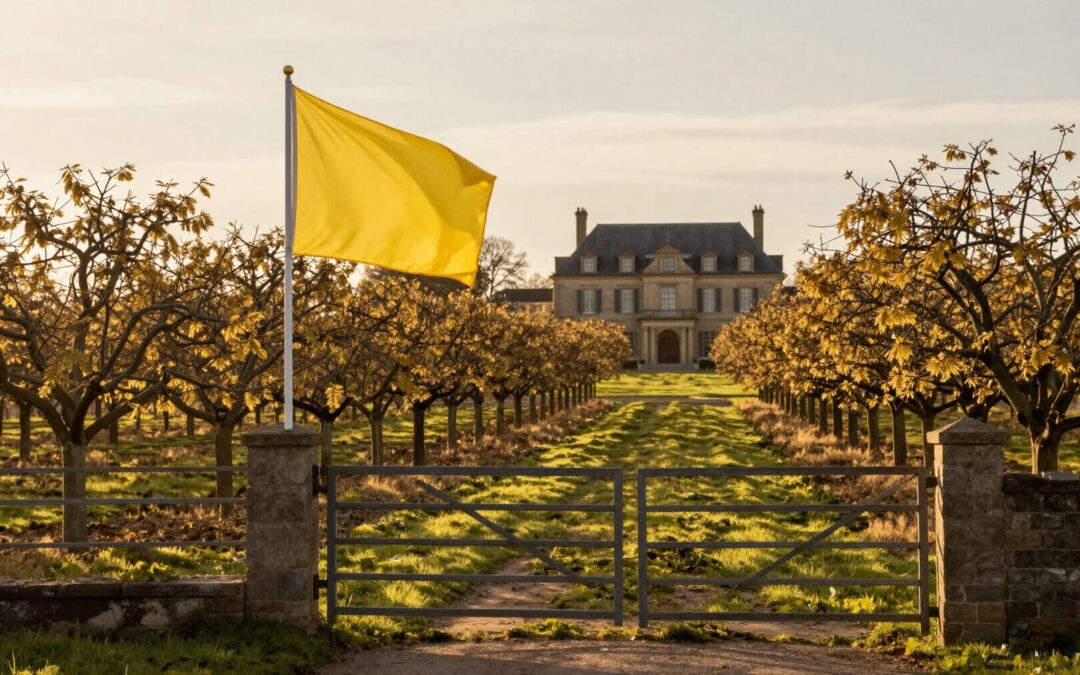
I was on a ground shuttle in the southwest zoning when I saw a yellow flag on a gatepost that meant this plantation was hiring. It was coming early spring here, still frosty at night, and I’d spent more than my share of nights shivering in hay barns. This place was huge, nut trees and planted fields as far as the eye could see, and horses, all sleek and fat. Maybe I could get something more than day work. A bunk and more than one meal a day, would be good. I jumped off the shuttle just before it took off, and walked up to the house.
There was a fat, sallow faced man sitting at a table as I walked up. There was no preamble.
“Bit young, aren’t you?” he asked.
By then I was a practiced liar. I produced my Identification and my flying papers and said, “I am not. I’m a good, steady worker and I’ll give you no trouble, Sir.”
“Polite,” he said, hiking his eyebrows. “Your mother raised you right.”
I pulled the knife out of my heart and nodded. “Yessir.”
“I’m Squire Fidel,” the man said. His eyes were the scuffed and faded green of a discarded whiskey bottle, and there was something about his demeanor that put me on my guard. Under other circumstances I’d have left, but I needed the work.
He looked me up and down and said, “You’ll do.” He jerked his head toward the man standing to his left and said, “Get the boy a bunk and a locker and put him to work.”
“Thank you,” I said, and followed the man up the slope to the bunkhouse.
“Bunk,” he said, pointing to the top corner. “Locker,” he added, pointing to one in the row against the back wall. “Stow your stuff and I’ll get you started.”
He took me into a long, low stable and another man shoved a pitchfork in my hand. “Clean these stalls,” he said. “Manure wagon’s over there. Drinking water at the pump.”
The place was well kept, and I assumed he’d graduated from manure duty upon my arrival. My work needed to look at least as good or better than his if I wanted to stay on, which I did, so I put my gloves on and let myself into the first stall.
I didn’t have to wonder about supper. A horn sounded, the same man who had handed me the pitchfork stuck his head in and hollered, “Food!” and men came hurrying in from various fields and barns to the bunkhouse kitchen. We lined up, our plates were filled generously, and we sat down at a long table to eat. The other men were mildly curious, but like most of them, I’d drifted in and would be expected to drift out again at some point.
“Or maybe not,” one of the men said, his voice thick with inuendo, and everybody laughed.
As expected, I was called up to the house after supper. Squire Fidel was sitting with two other men, drinks beside them when I came in.
“I liked your work today,” the Squire said. “I hope you’re planning to stay with us.”
“I am,” I said.
“You like it here, then?” he asked.
“I do,” I said.
“Good. You’re hired.” There was a pause and a come-hither smirk I remembered from my mother.
“Would you like some …extra work in the evenings?” he asked, and the men with him began to chuckle.
That proposition, I’d heard more than once in my wanderings about. “No thank you,” I said, nodded politely and would have taken my leave, but one of the men stood up and said,
“Oh, do stay. We like you!”
As he spoke, he reached over, jerked my trousers down, and there were those brands. The shock was palpable. The silence deafening.
I jerked my pants up as quickly as they’d gone down. “I’m not contagious!” I blurted. I felt like my whole body was on fire and I was shaking so hard I stumbled against a table on my way to the door. “I quit!”
“Wait,” Fidel said quietly. “Please. I apologize for my friend here. You did good work today. There’s no need to quit. No word of this will reach the bunkhouse, I promise, and you won’t be bothered again.”
Bothered? This was his definition of bothered? But supper had been so good, and the bunkhouse was warm and inviting. I hesitated.
“Good,” he said, and poured another round of drinks. “Go get some sleep.”
I never saw the other two men again.
 Showandah Terrill is a scifi/fantasy author from Forks, WA.Learn more than you ever wanted to know about her